03 · Concrete Equipment
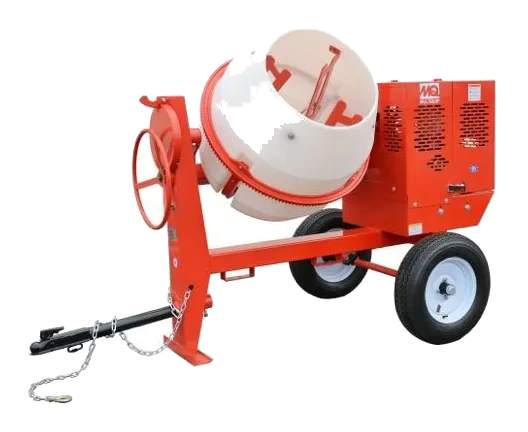
Concrete Mixer
A rotating-drum mixer for batching concrete, mortar and other construction mixes on site.
03 · Concrete Equipment
Also called Immersion vibrator · Internal vibrator · Poker vibrator · Pencil vibrator
An immersion (poker) vibrator that shakes air pockets out of freshly poured concrete for a stronger result.
Electric (corded)Every concrete pour forms tiny air bubbles — thousands of them, depending on the mix and the pour. The more air trapped in the concrete, the weaker it is once it hardens.
A concrete vibrator makes stronger concrete by vigorously shaking it right after the pour, driving out the air bubbles and pockets.
Immersion vibrators, also called internal vibrators, are the most common type. Push the head into the wet concrete, then withdraw it slowly as it vibrates the material around it.
Typical figures for this class of machine. Check the data plate before promising a customer.
A broken inner shaft is a workshop repair.
Reference draft — always follow the manufacturer’s manual.
Reference draft — always follow the manufacturer’s manual.
A damaged cord or plug means the tool is out of service. Tag it and return it — never tape a cord.
Reference draft — always follow the manufacturer’s manual.
Reference draft — always follow the manufacturer’s manual.
Heavy sparking from the vents or a burning smell that returns points to worn brushes or a failing motor — workshop only.
Reference draft — always follow the manufacturer’s manual.
No fixes match this symptom.
03 · Concrete Equipment
A rotating-drum mixer for batching concrete, mortar and other construction mixes on site.
03 · Concrete Equipment
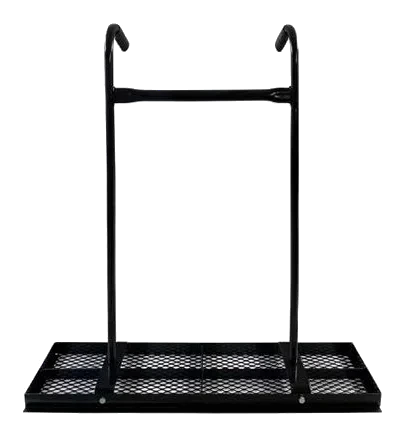
A hand tamper with a mesh base that pushes coarse aggregate below the surface of stiff concrete.

03 · Concrete Equipment
A wide float on a long handle that levels fresh slabs and removes ripples right after screeding.
Always follow the manufacturer’s manual and site safety rules. Favourites and viewing history are stored on this device.