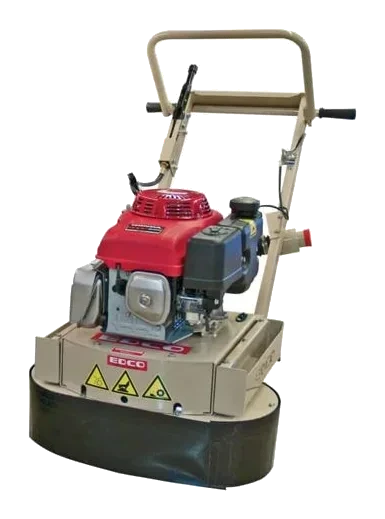
13 · Floor Care
Floor Grinder
Diamond, carbide or PCD tooling that strips, grinds or removes coatings and levels concrete and stone floors.
13 · Floor Care
Also called HEPA vacuum · Dust extractor · EDCO vortex vacuum
A high-suction HEPA vacuum that traps fine dust, allergens and hazardous particles down to 0.3 microns.
Electric (corded)A HEPA vacuum seals its filter into the airflow so the fine dust it collects cannot leak back out past the motor. The filter captures 99.97% of particles down to 0.3 microns, which is what makes it the right machine for dust that matters rather than dust that is merely untidy.
Silica dust from concrete, construction and restoration clean-ups, mold remediation after water damage, and keeping the air right in schools, offices and medical facilities.
This is the vacuum for hazardous fine dust. An ordinary site vacuum collects the visible debris and blows the dangerous fraction straight back into the room.
Change the filter when it is due rather than when it looks dirty, and bag the waste before it leaves the building. A HEPA vacuum emptied carelessly undoes the whole job.
Typical figures for this class of machine. Check the data plate before promising a customer.
Reference draft — always follow the manufacturer’s manual.
Never run a HEPA vacuum with a damaged or missing HEPA filter — return it.
Reference draft — always follow the manufacturer’s manual.
A damaged cord or plug means the tool is out of service. Tag it and return it — never tape a cord.
Reference draft — always follow the manufacturer’s manual.
Reference draft — always follow the manufacturer’s manual.
Heavy sparking from the vents or a burning smell that returns points to worn brushes or a failing motor — workshop only.
Reference draft — always follow the manufacturer’s manual.
No fixes match this symptom.
13 · Floor Care
Diamond, carbide or PCD tooling that strips, grinds or removes coatings and levels concrete and stone floors.
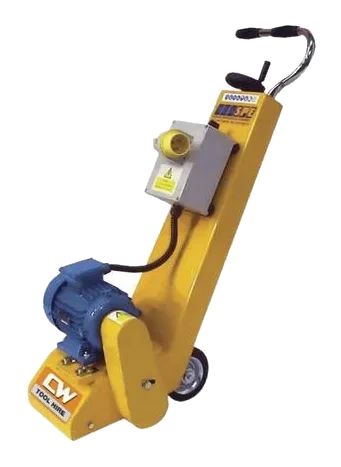
13 · Floor Care
Rotating cutters that shave down high spots and rough patches to level concrete and wood floors.
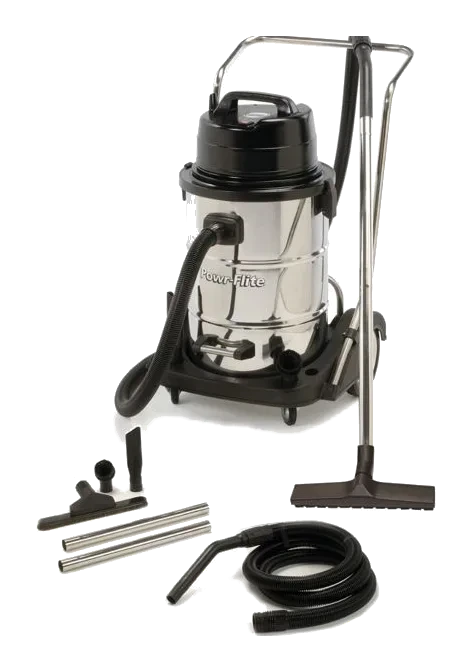
13 · Floor Care
A heavy-duty vacuum that picks up both liquids and dry debris — water, sludge, dust, dirt and sawdust.
Always follow the manufacturer’s manual and site safety rules. Favourites and viewing history are stored on this device.