13 · Floor Care
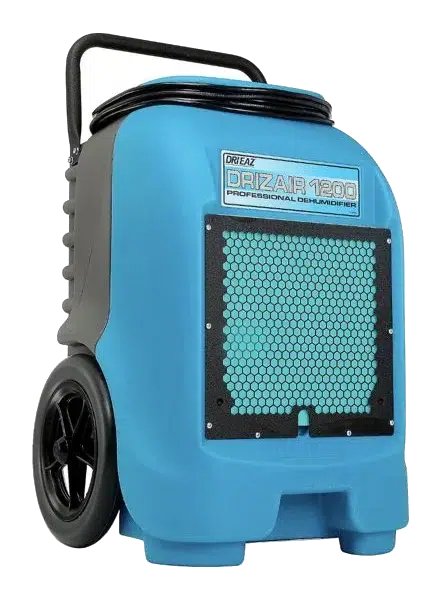
Dehumidifier
Pulls excess moisture out of the air to dry buildings after leaks and floods and stop mold growing.
13 · Floor Care
Also called Air mover · Carpet dryer · Floor dryer · Blower fan
A high-velocity air mover for drying carpets, floors and walls fast after cleaning or water damage.
Electric (corded)An air mover is a blower shaped to throw a wide, fast sheet of air along a surface rather than a jet at one spot, which is what lifts moisture out of carpet, floors and walls.
Drying carpets after extraction, water-damage restoration, drying freshly mopped or washed floors, and ventilating a work area.
Angle the airflow across the wet surface rather than straight down into it. Air travelling along a surface picks moisture up; air pointed at it mostly bounces off.
On anything worse than a damp floor, pair the air movers with a dehumidifier. Moving damp air around a closed room only helps if something is taking the moisture out of it.
Typical figures for this class of machine. Check the data plate before promising a customer.
Reference draft — always follow the manufacturer’s manual.
Reference draft — always follow the manufacturer’s manual.
A damaged cord or plug means the tool is out of service. Tag it and return it — never tape a cord.
Reference draft — always follow the manufacturer’s manual.
Reference draft — always follow the manufacturer’s manual.
Heavy sparking from the vents or a burning smell that returns points to worn brushes or a failing motor — workshop only.
Reference draft — always follow the manufacturer’s manual.
No fixes match this symptom.
13 · Floor Care
Pulls excess moisture out of the air to dry buildings after leaks and floods and stop mold growing.
13 · Floor Care
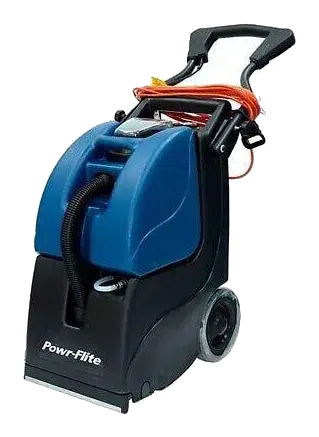
Injects cleaning solution into carpet and vacuums it straight back out — deep cleaning in one machine.
13 · Floor Care
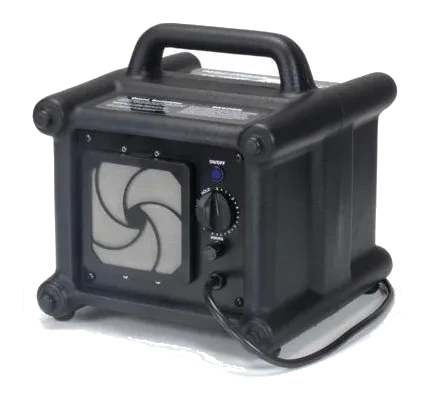
Produces ozone gas to neutralise stubborn odours, bacteria and mold in empty rooms, vehicles and buildings.
Always follow the manufacturer’s manual and site safety rules. Favourites and viewing history are stored on this device.