13 · Floor Care

Floor Edger

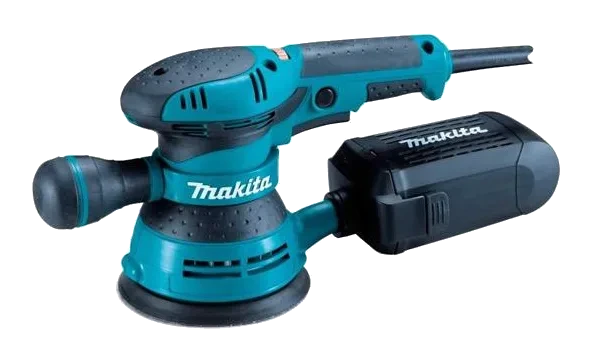
Also called Edge sander · Edger sander · Disc edger

A small, powerful disc sander that reaches the last few inches of floor a drum sander cannot.

Electric (corded)

Overview

A floor edger sands the border a big floor sander cannot reach — against skirting, in doorways, inside closets and around pipework.

It is always used with a floor sander, not instead of one: the sander does the open floor, the edger does the perimeter, and the grits are matched so the two blend.

The disc runs fast and the machine is light, which makes it easy to dig a dish into the floor if it is held in one place.

Keep it moving in small arcs, and work through the same grit sequence used on the main floor.

Best uses

  • Sanding up to skirting and walls
  • Doorways, closets and stair landings
  • Blending the perimeter into a sanded floor

Not suited for

  • Open floor areas — the drum sander is faster and flatter
  • Holding it still, which cuts a hollow immediately

Troubleshooting

It leaves hollows or swirl marks at the edge

Checks to try, in order

  1. The machine was held in one place. Keep it moving at all times.
  2. Work in small arcs with light pressure — let the weight of the machine do the cutting.
  3. Step up through the grits; skipping grits leaves marks the next one cannot remove.

Reference draft — always follow the manufacturer’s manual.

Link to this fixDid this solve the problem?
Dust escapes everywhere

Checks to try, in order

  1. Check the dust bag is fitted and not more than half full.
  2. Check the skirt around the disc is intact.

Reference draft — always follow the manufacturer’s manual.

Link to this fixDid this solve the problem?
Tool won't switch onShared · Electric (corded)

Likely causes

  • Tripped GFCI or breaker
  • Lock-off button
  • Damaged cord
  • Dead outlet

Checks to try, in order

  1. Check the outlet works and reset any GFCI / RCD that has tripped.
  2. Release the lock-off button or safety switch before squeezing the trigger.
  3. Inspect the cord and extension lead for cuts, crushed sections or damaged plugs.
  4. If running from a generator, make sure it's running and its breaker hasn't tripped.

A damaged cord or plug means the tool is out of service. Tag it and return it — never tape a cord.

Reference draft — always follow the manufacturer’s manual.

Link to this fixDid this solve the problem?
Keeps tripping the breakerShared · Electric (corded)

Likely causes

  • Circuit overloaded
  • Undersized extension cord
  • Blunt accessory

Checks to try, in order

  1. Plug into a circuit with nothing else heavy running on it.
  2. Use a shorter, heavier extension cord. Long, thin cords starve the motor and trip breakers.
  3. Don't force the tool — a dull bit, blade or disc makes the motor draw more current.

Reference draft — always follow the manufacturer’s manual.

Link to this fixDid this solve the problem?
Overheating, burning smell or heavy sparkingShared · Electric (corded)

Checks to try, in order

  1. Stop and unplug the tool.
  2. Check the motor vents aren't blocked with dust.
  3. Let it cool, fit a sharp accessory and let the tool's weight do the work.

Heavy sparking from the vents or a burning smell that returns points to worn brushes or a failing motor — workshop only.

Reference draft — always follow the manufacturer’s manual.

Link to this fixDid this solve the problem?

Safety

  • Wood dust is a respiratory hazard and fine dust is explosive in quantity. Use the bag, empty it outside.
  • Old floors may be finished with products containing lead or solvents. Ventilate.
  • Unplug before changing discs.

For electric (corded)

  • Inspect the cord and plug before every use. Use a GFCI/RCD outdoors or near water.
  • Unplug before changing blades, bits, discs or pads.
  • Wear eye protection, and a dust mask when cutting, grinding or sanding masonry.

Videos & links

Related equipment

All Floor Care →

Always follow the manufacturer’s manual and site safety rules. Favourites and viewing history are stored on this device.