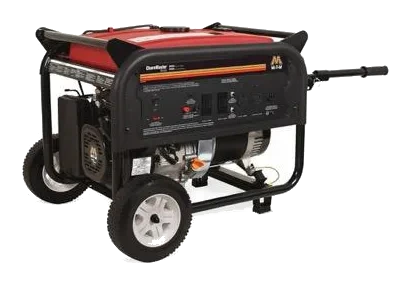
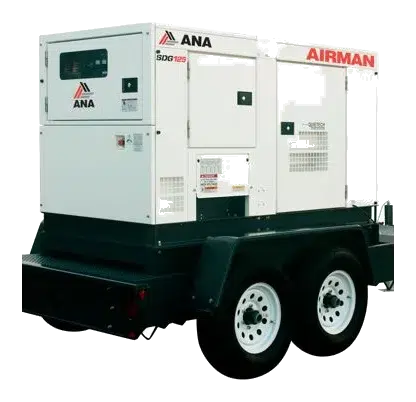
Different types of generators suit different needs — powering a home is very different from powering an industrial business. We rent generators from small to large.
These inverters provide clean, quiet power for jobsites, workshops, recreation and power outages. They are equipped with carbon monoxide detection and auto shutdown.
Like a traditional portable generator, an inverter generator runs your home appliances and electronics when the power goes out. You set it up the same way: fuel it with petrol and place it safely at least 20 feet from your home — never indoors — with the exhaust pointing away from the building to avoid carbon monoxide poisoning.
Inverter generators are better in several ways: they're quieter than traditional portable generators, more fuel-efficient, and deliver cleaner power — important for sensitive electronics or medical devices.
Catalogue specifications · 4 kW
3' LENGTH
CONVERTS 1 TWIST LOCK PLUG : L14-30 PLUG -> TO -->2 LIGHTED 5-20 RECEPTACLES AT 110V
WIRE TYPE: STOW
10 GAUGE
Adapters that accommodate NEMA receptacles on generators up to 11,000 watts
Convert twist lock plug into two usable standard 110 receptacles
What this will run
Typical figures for this class of machine. Check the data plate before promising a customer.
Best uses
Laptops, phones, TVs and other sensitive electronics
Events, markets and food stalls
Quiet backup power at home
Camping, boats and recreation
Not suited for
Large motor loads beyond its rating — use a portable or industrial generator
Troubleshooting
Shut down and the CO light is on
Checks to try, in order
The carbon monoxide sensor shut the engine down — exhaust is building up.
Move the generator outdoors into open air, well away from doors, windows and walls.
Only restart it once it's in a well-ventilated spot.
If anyone feels dizzy, has a headache or feels sick, get them into fresh air and call emergency services.
Reference draft — always follow the manufacturer’s manual.
Turn the fuel valve ON and the engine switch to ON.
Cold engine: close the choke. Warm engine: leave the choke open.
Check there is fresh petrol in the tank — stale or water-contaminated fuel is the most common cause.
Check the engine oil. Many engines have a low-oil shutdown that stops them starting when oil is low or the machine is on a slope — top up and set the machine on level ground.
Make sure the spark plug cap is pushed fully onto the plug.
Pull the starter rope with a smooth, firm pull — don't let it snap back.
If the starter rope is locked or unusually hard to pull, stop — don't force it. Tag the unit and return it to the workshop.
Reference draft — always follow the manufacturer’s manual.
Always follow the manufacturer’s manual and site safety rules. Favourites and viewing history are stored on this device.
FRAUD ALERT
We are aware of an individual claiming to be the CEO of Hilton Machineries & Sales Company and falsely representing that they are purchasing equipment through Massive Equipment & Sales Ltd.
Massive Equipment has no affiliation with this company or individual. Do not send funds, deposits or financial information in connection with these communications.
To verify any request, contact us directly at 345-949-7990 or info@massivegroup.com.