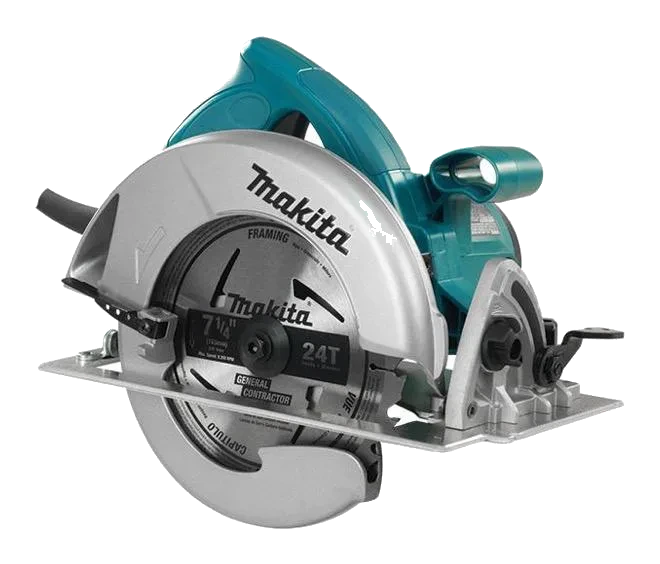
18 · Saws
Circular Saw
A handheld saw for fast, straight cuts in lumber, plywood, sheet goods, plastic and — with the right blade — metal.
15 · Power Tools
Also called Reciprocating saw · Recip saw · Demo saw
A powerful back-and-forth saw that cuts wood, metal, pipe, drywall and more — the demolition workhorse.
Electric (corded)A reciprocating saw — a Sawzall, after the Milwaukee name — drives a straight blade back and forth. It cuts roughly and fast, in places where nothing with a round blade would fit.
Demolition and tear-out, cutting nails, bolts and pipe, cutting openings in walls and floors, and pruning branches.
The blade is the tool: coarse with fewer teeth for wood, fine with more teeth for metal. The wrong one either skates across the surface or clogs solid.
Keep the shoe pressed firmly against the work. Blades bend and snap because the saw was allowed to bounce, not because the material was too hard.
Typical figures for this class of machine. Check the data plate before promising a customer.
Reference draft — always follow the manufacturer’s manual.
Reference draft — always follow the manufacturer’s manual.
A damaged cord or plug means the tool is out of service. Tag it and return it — never tape a cord.
Reference draft — always follow the manufacturer’s manual.
Reference draft — always follow the manufacturer’s manual.
Heavy sparking from the vents or a burning smell that returns points to worn brushes or a failing motor — workshop only.
Reference draft — always follow the manufacturer’s manual.
No fixes match this symptom.
18 · Saws
A handheld saw for fast, straight cuts in lumber, plywood, sheet goods, plastic and — with the right blade — metal.
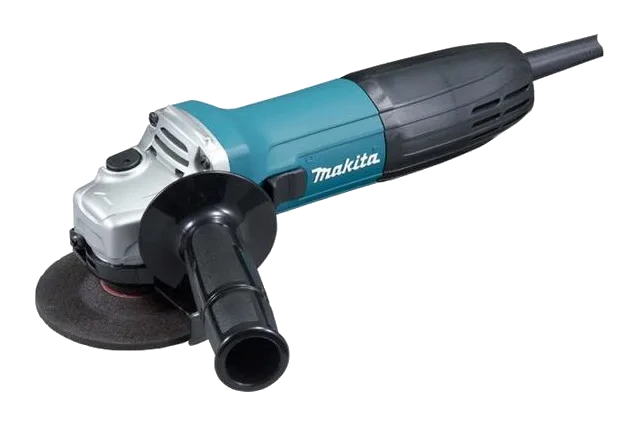
15 · Power Tools
A handheld spinning-disc tool for grinding, cutting, polishing and sanding metal, concrete, stone and tile.
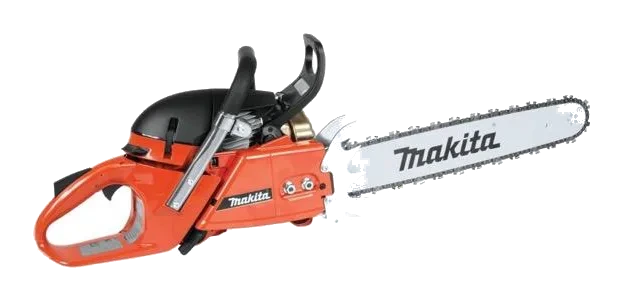
18 · Saws
A petrol chainsaw for felling, limbing, storm clean-up and cutting logs to size.
Always follow the manufacturer’s manual and site safety rules. Favourites and viewing history are stored on this device.