15 · Power Tools
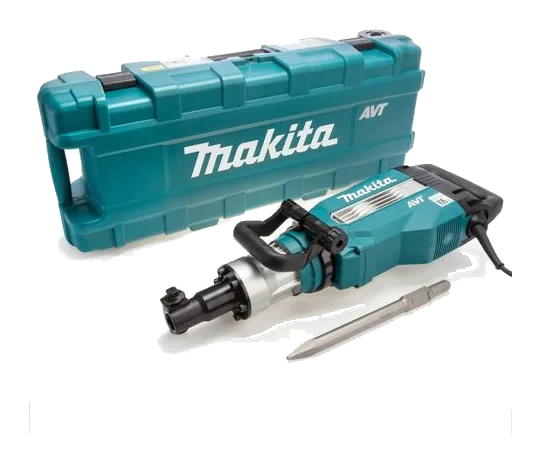
Breaker Jackhammer
A heavy electric breaker that delivers high-impact blows to break concrete, asphalt, stone and pavement.
15 · Power Tools
Also called Demolition hammer · Demo hammer · Chipping hammer
A heavy-duty hammer for demolishing concrete, brick and stone on larger jobs.
Electric (corded)A demolition hammer is the heavier breaker, built for sustained work on larger jobs: walls, foundations and structural concrete rather than a slab or a patch.
Breaking walls and foundations, chipping concrete off walls and columns, removing tile and mortar beds, and brick and block demolition.
Use a point bit to start the cracks and a flat chisel to split and lift the material away. Starting with the chisel usually just polishes the surface.
Work in from a free edge rather than attacking the middle of an unbroken slab, and let the hammer's own weight drive it.
Typical figures for this class of machine. Check the data plate before promising a customer.
Reference draft — always follow the manufacturer’s manual.
Reference draft — always follow the manufacturer’s manual.
A damaged cord or plug means the tool is out of service. Tag it and return it — never tape a cord.
Reference draft — always follow the manufacturer’s manual.
Reference draft — always follow the manufacturer’s manual.
Heavy sparking from the vents or a burning smell that returns points to worn brushes or a failing motor — workshop only.
Reference draft — always follow the manufacturer’s manual.
No fixes match this symptom.
15 · Power Tools
A heavy electric breaker that delivers high-impact blows to break concrete, asphalt, stone and pavement.
15 · Power Tools
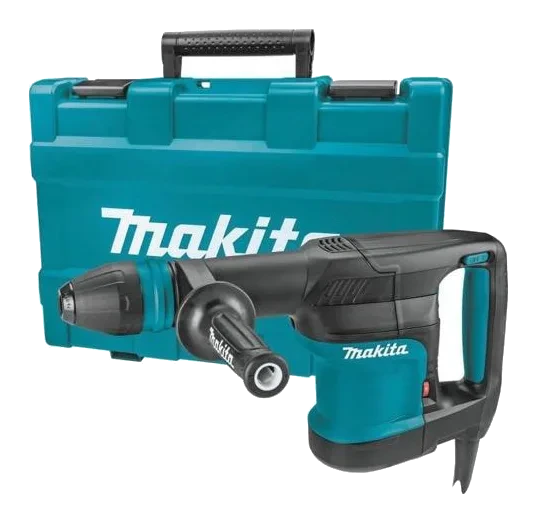
Hammering plus rotary drilling in one tool — drills big holes in concrete and chips light demolition.
10 · Air Tools & Compressors
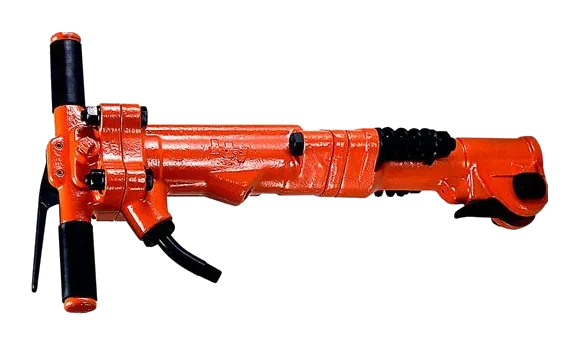
A compressor-driven breaker for pavement, rock and hard ground — pounding the bit about 1,500 times a minute.
Always follow the manufacturer’s manual and site safety rules. Favourites and viewing history are stored on this device.