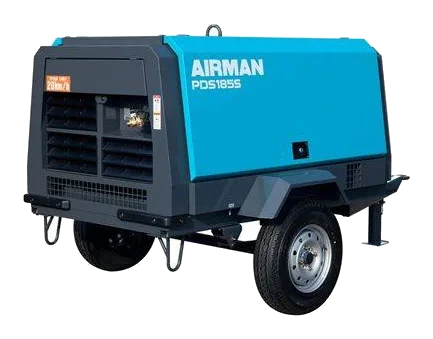
10 · Air Tools & Compressors
Air Compressor
Towable and wheelbarrow compressors that supply compressed air for breakers, nailers, sprayers and air tools.
10 · Air Tools & Compressors
Also called Pneumatic hammer · Pneumatic breaker · Paving breaker · Jackhammer
A compressor-driven breaker for pavement, rock and hard ground — pounding the bit about 1,500 times a minute.
Air poweredThe air jack hammer, also called a pneumatic hammer, runs on compressed air, which fills the piston and drives the hammer's head. The air comes from a separate compressor, connected to the handle of the hammer through a valve.
It takes accessories such as chisels and drills, so it can do different jobs more efficiently.
Its shape, size and weight suit horizontal surfaces, not vertical work.
When you're breaking concrete or rock, a sledgehammer would take all day. A jackhammer works through hard material in a fraction of the time — and it's safer than a sledgehammer.
How it works: the compressor is like a giant bicycle pump that never stops. When the worker presses the handle, air flows from the compressor into the hammer through a valve. Inside is a circuit of air tubes, a heavy piledriver and a drill bit.
High-pressure air first flows one way round the circuit, forcing the piledriver down onto the bit and smashing it into the ground. A valve then flips, reversing the air so the piledriver moves back up. The valve keeps flipping, so the piledriver strikes the bit more than 25 times a second — about 1,500 times a minute.
Typical figures for this class of machine. Check the data plate before promising a customer.
For breaking and splitting concrete, asphalt and rock
Ask the counter about availability and inclusionFor starting cracks and drilling rock
Ask the counter about availability and inclusionReference draft — always follow the manufacturer’s manual.
A worn retainer or bushing is a workshop repair.
Reference draft — always follow the manufacturer’s manual.
Reference draft — always follow the manufacturer’s manual.
Reference draft — always follow the manufacturer’s manual.
Air leaking from the tool body usually means worn seals — return it to the workshop.
Reference draft — always follow the manufacturer’s manual.
No fixes match this symptom.
10 · Air Tools & Compressors
Towable and wheelbarrow compressors that supply compressed air for breakers, nailers, sprayers and air tools.
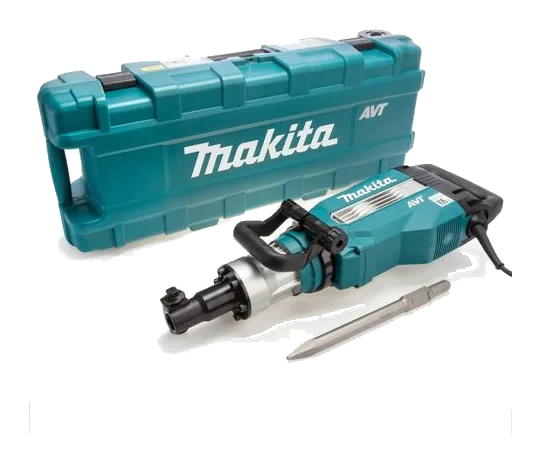
15 · Power Tools
A heavy electric breaker that delivers high-impact blows to break concrete, asphalt, stone and pavement.
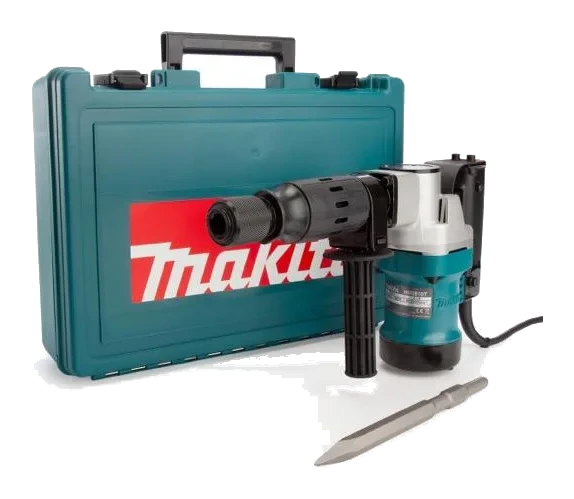
15 · Power Tools
A heavy-duty hammer for demolishing concrete, brick and stone on larger jobs.
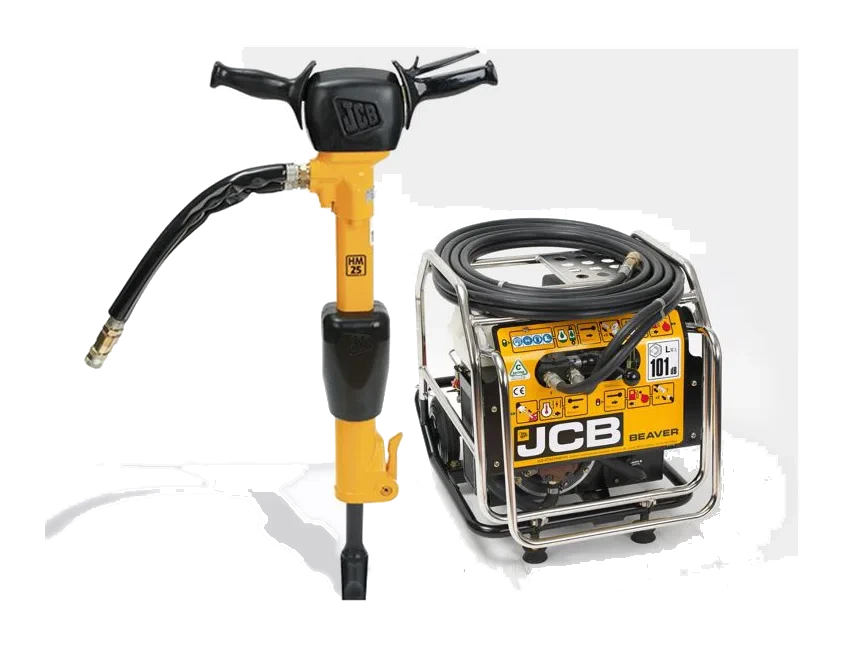
16 · Hydraulic Tools
A portable engine-driven hydraulic power pack that runs breakers, saws, pumps and other hydraulic tools.
Always follow the manufacturer’s manual and site safety rules. Favourites and viewing history are stored on this device.