10 · Air Tools & Compressors

Air Scaler

Also called Needle scaler · Needle gun · Descaler

An air tool that hammers a cluster of needles against metal or concrete to strip rust, scale and old coatings.

Air powered

Overview

An air scaler drives a bundle of steel needles rapidly back and forth. The needles work into pits and corners, knocking off rust, mill scale, weld slag and old paint.

Because the needles move independently, the tool follows an uneven surface rather than skating across it, which is what makes it useful on corroded steel and rough concrete.

It is used for preparing steel before painting, cleaning welds, and removing laitance or coatings from small concrete areas.

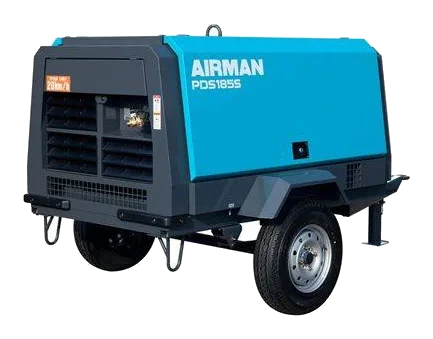
It needs a compressor. Match the compressor to the tool, or it will run in bursts and stop.

Catalogue specifications

  • Removes up to 200 sq. ft. per hour of 4 ceramic tile set in standard thin-set
  • Provides 2,500 hits per minute
  • Quick-change, hardened steel tool chuck accepts dozens of accessories
  • Requires only 6-8 CFM at 80-90 PSI
  • The Air Powered Chisel Scalers Helps with the Removal of:
  • Tiles (vinyl, ceramic, quarry)
  • Carpeting
  • Roofing Materials
  • Fireproofing
  • Rubber coatings
  • Waterproofing
  • Linoleum
  • Insulation
  • Asbestos
  • Mastics
  • Paint build-up
  • Ice

Best uses

  • Stripping rust and scale from steel
  • Cleaning welds and weld slag
  • Preparing metal before painting
  • Small areas of coating removal on concrete

Not suited for

  • Large floor areas — a floor grinder or planer is far faster
  • Thin sheet metal, which the needles will dent

Troubleshooting

Runs slowly or in bursts

Checks to try, in order

  1. The compressor cannot keep up. Check it delivers enough cfm at 90 psi.
  2. Check the hose for kinks and the coupler for leaks.
  3. Add a few drops of air tool oil at the inlet.

Reference draft — always follow the manufacturer’s manual.

Link to this fixDid this solve the problem?
The needles stick or splay out

Checks to try, in order

  1. Pull the needle holder off and clean out the debris behind the needles.
  2. Bent needles should be replaced as a set, not individually.

Reference draft — always follow the manufacturer’s manual.

Link to this fixDid this solve the problem?
Weak, slow or won't cycleShared · Air powered

Likely causes

  • Pressure too low
  • Leaking coupler
  • Undersized hose
  • Water in the line
  • Dry tool

Checks to try, in order

  1. Set the compressor's regulator to the pressure printed on the tool.
  2. Check couplers are fully seated and listen for leaks along the hose.
  3. Use the right hose size — long, narrow hoses starve heavy tools like breakers.
  4. Drain water from the compressor tank.
  5. Unless the tool is marked oil-free, add a few drops of air-tool oil into the inlet at the start of the day.

Reference draft — always follow the manufacturer’s manual.

Link to this fixDid this solve the problem?
Air leaking at a fittingShared · Air powered

Checks to try, in order

  1. Disconnect the air supply before touching the fitting.
  2. Re-seat the quick coupler until it clicks.
  3. Threaded fittings may need new thread-seal tape.

Air leaking from the tool body usually means worn seals — return it to the workshop.

Reference draft — always follow the manufacturer’s manual.

Link to this fixDid this solve the problem?

Safety

  • Eye and face protection — this tool throws rust and scale constantly.
  • Ear defenders. Needle scalers are painfully loud in enclosed spaces.
  • Old paint on steel may contain lead. Check before stripping it in an occupied building.

For air powered

  • Disconnect the air supply before clearing jams or changing bits.
  • Never point an air tool or airline at anyone.
  • Wear eye and hearing protection.

Videos & links

Always follow the manufacturer’s manual and site safety rules. Favourites and viewing history are stored on this device.