10 · Air Tools & Compressors
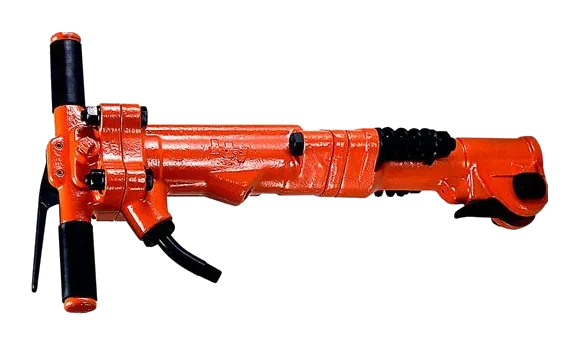
Air Jack Hammer
A compressor-driven breaker for pavement, rock and hard ground — pounding the bit about 1,500 times a minute.
10 · Air Tools & Compressors
Also called Tow-behind compressor · Wheelbarrow compressor · AIRMAN compressor
Towable and wheelbarrow compressors that supply compressed air for breakers, nailers, sprayers and air tools.
Diesel machineSelected model
Hand-carry, for a nailer
A compressor fills a tank with air under pressure and feeds it to a tool through a hose. What decides which one a customer needs is not the motor size but the cfm — the volume of air it can keep supplying — because an air tool draws air continuously and stops working the moment supply falls behind.
We rent five. A 2 HP single-tank at 4 cfm and a 2 HP dual-tank at 5 cfm, both hand-carry, for a nailer. A 5.5 HP dual-tank at 11 cfm for two light tools. A 14 cfm single-tank for a small breaker. And a towable AIRMAN diesel at 185 cfm, which will run two 90 lb breakers or several smaller tools at once.
Air jack hammers and breakers, nailers, hopper spray guns, drills, sanders, ratchets, grinders and impact wrenches, spray painting, sandblasting and tyre inflation all run off these.
Ask which tool, and how many at once. “What this will run” further down this page matches our compressors against the air tools we rent.
Typical figures for this class of machine. Check the data plate before promising a customer.
Reference draft — always follow the manufacturer’s manual.
Reference draft — always follow the manufacturer’s manual.
Reference draft — always follow the manufacturer’s manual.
Repeated shutdowns need the workshop.
Reference draft — always follow the manufacturer’s manual.
No fixes match this symptom.
10 · Air Tools & Compressors
A compressor-driven breaker for pavement, rock and hard ground — pounding the bit about 1,500 times a minute.
10 · Air Tools & Compressors
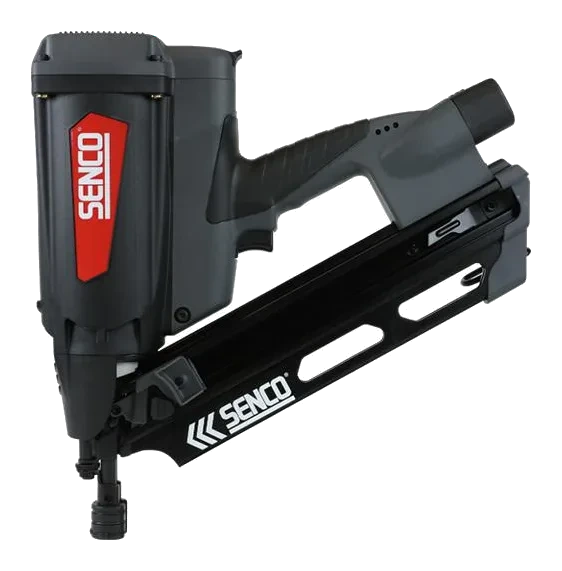
A pneumatic nailer that drives nails in one shot — faster and less tiring than a hammer for framing and roofing.
17 · Painting & Wallpaper
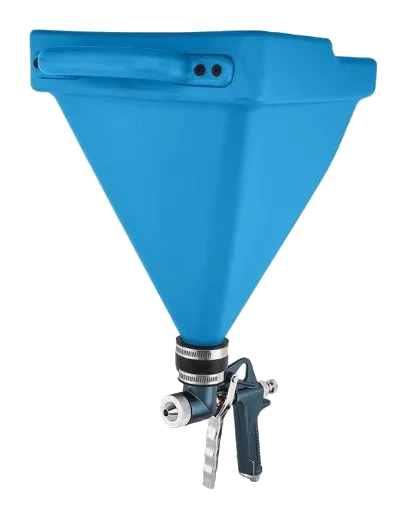
An air-powered spray gun with a gravity hopper for texture, plaster and coatings over large areas.
Always follow the manufacturer’s manual and site safety rules. Favourites and viewing history are stored on this device.