03 · Concrete Equipment
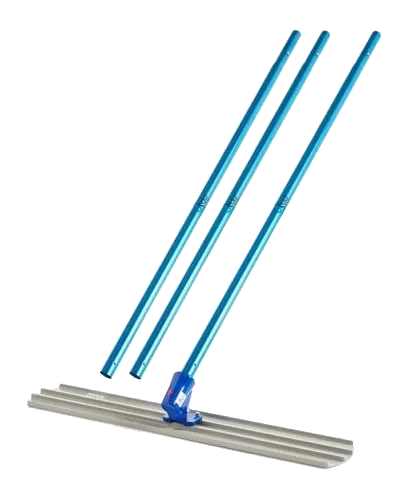
Bull Float
A wide float on a long handle that levels fresh slabs and removes ripples right after screeding.
03 · Concrete Equipment
Also called Concrete trowel · Helicopter · Power float · Walk-behind trowel
A walk-behind machine with rotating blades that gives concrete slabs a smooth, dense, level finish.
Petrol engineA power trowel gives flat areas of concrete a smooth, dense and level surface.
Under the machine are one or two sets of adjustable steel blades. They usually turn at about 150 rpm to smooth concrete that has almost set.
The engine sits at the centre of gravity above the blades, which makes the machine more stable and balanced.
Choosing a size: there are no set rules, but job size is a good guide. 24″ and 30″ machines suit garages, small shed slabs, stipple-finish driveways and pathways, and dedicated edging on industrial work.
34″, 36″ and 40″ machines suit house slabs, large shed slabs, commercial factories and high-rise flatwork.
46″ machines are the biggest walk-behind trowels, used on large commercial slabs and warehouses. They give a flatter finish and are great for a burnt (burnished) finish.
Typical figures for this class of machine. Check the data plate before promising a customer.
Reference draft — always follow the manufacturer’s manual.
Reference draft — always follow the manufacturer’s manual.
If the starter rope is locked or unusually hard to pull, stop — don't force it. Tag the unit and return it to the workshop.
Reference draft — always follow the manufacturer’s manual.
Reference draft — always follow the manufacturer’s manual.
Don't run a machine that is leaking fuel. Tag it out and report it.
Reference draft — always follow the manufacturer’s manual.
No fixes match this symptom.
03 · Concrete Equipment
A wide float on a long handle that levels fresh slabs and removes ripples right after screeding.
03 · Concrete Equipment
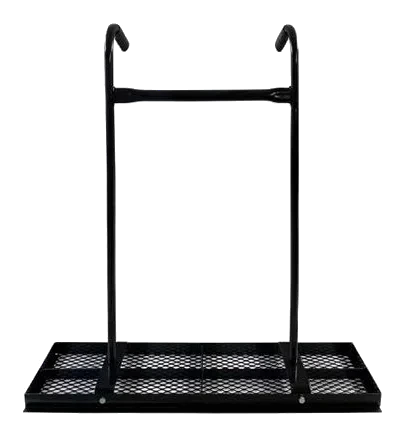
A hand tamper with a mesh base that pushes coarse aggregate below the surface of stiff concrete.
03 · Concrete Equipment
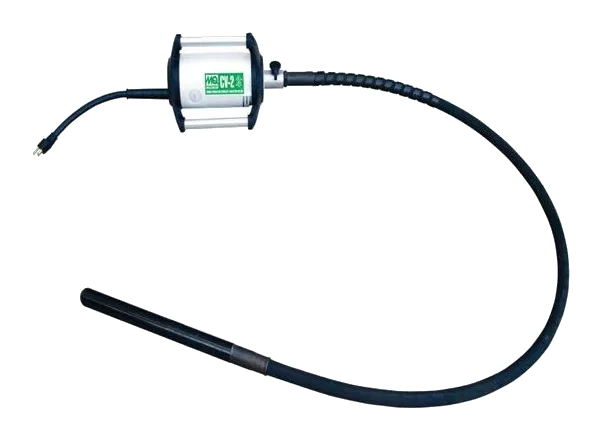
An immersion (poker) vibrator that shakes air pockets out of freshly poured concrete for a stronger result.
Always follow the manufacturer’s manual and site safety rules. Favourites and viewing history are stored on this device.