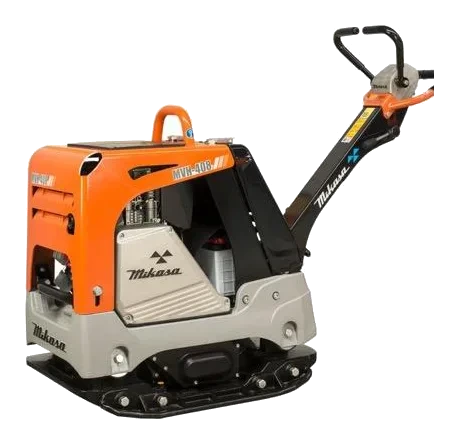
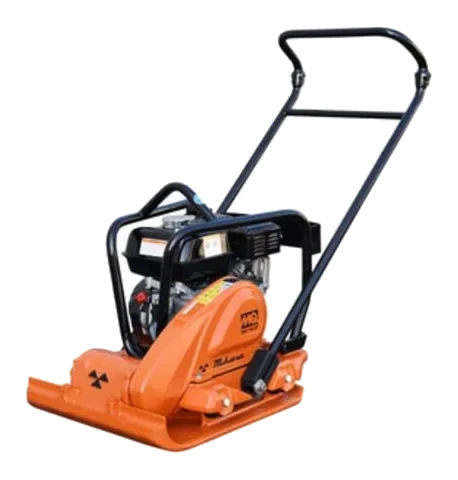
01 · Compaction Equipment

Roller Compactor

Also called Ride-on roller · Tandem roller · Vibratory roller · Drum roller

A ride-on double-drum roller for flattening and compacting road layers, sub-base and large areas.

Diesel machine

Selected model

Roller Compactor · 4 Ton

Ride-on roller

Overview

A ride-on double-drum roller compacts by weight and drum vibration together, consolidating each layer as it is laid. It is the machine road layers are built with.

We rent two, a 4 ton and a 4.7 ton JCB, both ride-on. Between them they cover road building and repair, landfill work, car parks and any area open enough to justify a ride-on machine.

Unlike a plate, a roller handles both cohesive soils such as clay and non-cohesive sand and gravel.

What it cannot do is fit. Tight trenches and confined corners still need a plate or a rammer. On asphalt, keep the drum water spray running or the material sticks to the drums.

Catalogue specifications · 4 Ton

  • VMT 380-140 JCB-Vibromax - Technical specs
  • Weight 3.9 t
  • Transport length 2.82 m
  • Tranport width 1.49 m
  • Transport height 2.55 m
  • Frequency 66 Hz
  • Roller width 1.4 m
  • Rollers 0,8 m
  • Turning radius outside 2,4 m
  • Statical line load 13,8 kg/cm
  • Engine manuf. Kohler
  • Engine type KDW 2204
  • Engine power 34 kW
  • Displacement 2.2 l
  • Revolutions at max torque 2700

Best uses

  • Road building and repair projects
  • Landfill construction and compaction
  • Compacting cohesive soils like clay
  • Non-cohesive soils (sand and gravel)

Not suited for

  • Tight trenches and confined corners — use a plate or rammer

Troubleshooting

Vibration won't engage

Checks to try, in order

  1. Make sure the engine is at full working speed. Vibration is usually locked out at idle.
  2. Turn the vibration switch on (some models also need the drum selector set).
  3. Check that the seat's operator presence switch is satisfied.

Reference draft — always follow the manufacturer’s manual.

Link to this fixDid this solve the problem?
Asphalt is sticking to the drums

Checks to try, in order

  1. Check the water tank level.
  2. Clear blocked spray nozzles along the drum spray bar.
  3. Make sure the scraper bars are touching the drums.

Reference draft — always follow the manufacturer’s manual.

Link to this fixDid this solve the problem?
Nothing happens when the key is turnedShared · Diesel machine

Likely causes

  • Isolator off
  • Seat / seat-belt / lap-bar interlock
  • Controls not in neutral
  • Flat battery

Checks to try, in order

  1. Check the battery isolator / master switch is ON.
  2. Sit in the seat, fasten the seat belt and lower the safety bar — interlocks prevent starting otherwise.
  3. Put the controls in neutral and the hydraulic lockout lever in the locked position.
  4. Check the battery terminals are tight and free of corrosion.

If the battery is flat, don't jump-start it unless you've been trained to — call the workshop.

Reference draft — always follow the manufacturer’s manual.

Link to this fixDid this solve the problem?
Cranks but won't startShared · Diesel machine

Likely causes

  • Out of fuel / air in fuel
  • Glow plugs not preheated
  • E-stop engaged

Checks to try, in order

  1. Check the fuel gauge. Diesel engines that run dry often need the fuel system bled before they'll start.
  2. Turn the key to the preheat position and wait for the glow-plug light to go out before cranking.
  3. Check the emergency stop button isn't pressed in.
  4. Crank for no more than 10–15 seconds at a time, then let the starter rest.

Reference draft — always follow the manufacturer’s manual.

Link to this fixDid this solve the problem?
Arms, boom or tracks won't move or are slowShared · Diesel machine

Likely causes

  • Lockout lever engaged
  • Cold oil
  • Low hydraulic oil
  • Leak

Checks to try, in order

  1. Raise the hydraulic lockout / safety lever or disengage the control lock.
  2. Let the machine warm up for a few minutes before working it hard.
  3. Check the hydraulic oil sight glass with the machine level and attachments lowered.
  4. Look for hydraulic oil leaks under the machine and at hose ends.

Never touch a pinhole hydraulic leak — high-pressure oil can inject through skin. Stop and report it.

Reference draft — always follow the manufacturer’s manual.

Link to this fixDid this solve the problem?
Warning light, alarm or overheatingShared · Diesel machine

Checks to try, in order

  1. Stop work, lower attachments to the ground and let the engine idle — don't shut a hot engine off abruptly unless told to by the alarm.
  2. Check whether the radiator / cooler screen is blocked with dust, grass or debris.
  3. Only check coolant once the engine is cold. Never open a hot radiator cap.

Red warning lights mean stop. Note the code or symbol and call the workshop before continuing.

Reference draft — always follow the manufacturer’s manual.

Link to this fixDid this solve the problem?

Safety

  • Keep well back from trench edges and soft shoulders. Rollers can tip where the ground gives way.
  • Wear the seat belt and keep the ROPS frame raised.

For diesel machine

  • Only trained, authorised operators should drive or operate this machine.
  • Walk around the machine before starting: leaks, damage, tyres or tracks, and people nearby.
  • Wear the seat belt, use three points of contact getting on and off, and use a spotter in tight areas.
  • Check for overhead power lines and underground services before digging or lifting.

Videos & links

Always follow the manufacturer’s manual and site safety rules. Favourites and viewing history are stored on this device.