09 · Heavy Equipment

Compact Track Loader

Also called Track loader · Crawler loader · Tracked skid steer · Track-type loader

A tracked loader that moves dirt, sand and gravel across mud, soft soil and rough terrain.

Diesel machine

Overview

A track loader — also called a track-type loader or crawler loader — is a heavy-duty machine used in construction, landscaping and material handling to move large amounts of dirt, sand, gravel and other materials around a job site.

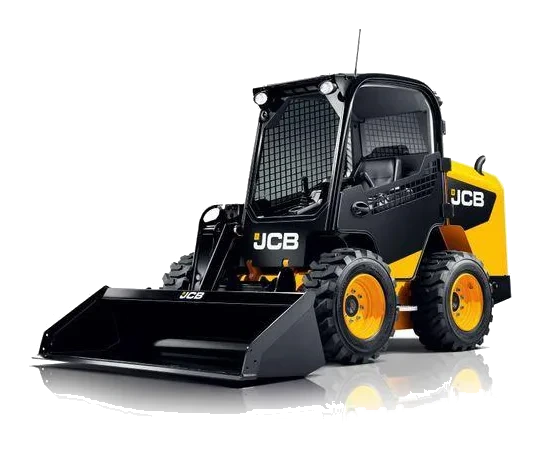
Unlike a skid steer loader, it runs on tracks, so it can work on rough or uneven terrain.

Track loaders can dig foundations, clear land and much more, and they handle heavy loads and rough terrain with ease.

The main difference from a skid steer is how they move. Wheels bog down or lose traction on uneven or soft ground; tracks handle mud and soil without damage.

But even a day or two of driving on hard ground can seriously damage the tracks.

Catalogue specifications

  • Fuel: Diesel
  • Dimensions
  • Width Over Tracks 6.24ft in
  • Height To Top Of Cab 6.83ft in
  • Ground Clearance 9.06in
  • Dump Height - Maximum 89.77in
  • Length With Bucket 12.47ft in
  • Angle Of Departure 29degrees
  • Max. Reach @ Full Height 4.27ft in
  • Pin Height 10.44ft in
  • Reach @ Ground Level 3.61ft in
  • Rollback @ Ground- 30degrees
  • Wheelbase 6.89ft in
  • Loadover Height 9.45ft in
  • Dig Depth -393.7in
  • Dump Angle 42degrees
  • Specifications
  • Engine
  • Emissions Certification- EPA-T4F (EU St3B)
  • Engine Oil Service Interval Hours - 500
  • Starter Motor 4.2 KW
  • Battery 12 V

Best uses

  • Mud, sand and soft soil
  • Rough and uneven terrain
  • Land clearing and grading
  • Digging foundations

Not suited for

  • Long runs on concrete or asphalt — it damages the tracks

Troubleshooting

Track keeps coming off

Checks to try, in order

  1. Avoid sharp counter-rotating turns, especially on slopes and kerbs.
  2. Clear packed mud and rock out of the undercarriage.

Check and adjust track tension in the workshop.

Reference draft — always follow the manufacturer’s manual.

Link to this fixDid this solve the problem?
Nothing happens when the key is turnedShared · Diesel machine

Likely causes

  • Isolator off
  • Seat / seat-belt / lap-bar interlock
  • Controls not in neutral
  • Flat battery

Checks to try, in order

  1. Check the battery isolator / master switch is ON.
  2. Sit in the seat, fasten the seat belt and lower the safety bar — interlocks prevent starting otherwise.
  3. Put the controls in neutral and the hydraulic lockout lever in the locked position.
  4. Check the battery terminals are tight and free of corrosion.

If the battery is flat, don't jump-start it unless you've been trained to — call the workshop.

Reference draft — always follow the manufacturer’s manual.

Link to this fixDid this solve the problem?
Cranks but won't startShared · Diesel machine

Likely causes

  • Out of fuel / air in fuel
  • Glow plugs not preheated
  • E-stop engaged

Checks to try, in order

  1. Check the fuel gauge. Diesel engines that run dry often need the fuel system bled before they'll start.
  2. Turn the key to the preheat position and wait for the glow-plug light to go out before cranking.
  3. Check the emergency stop button isn't pressed in.
  4. Crank for no more than 10–15 seconds at a time, then let the starter rest.

Reference draft — always follow the manufacturer’s manual.

Link to this fixDid this solve the problem?
Arms, boom or tracks won't move or are slowShared · Diesel machine

Likely causes

  • Lockout lever engaged
  • Cold oil
  • Low hydraulic oil
  • Leak

Checks to try, in order

  1. Raise the hydraulic lockout / safety lever or disengage the control lock.
  2. Let the machine warm up for a few minutes before working it hard.
  3. Check the hydraulic oil sight glass with the machine level and attachments lowered.
  4. Look for hydraulic oil leaks under the machine and at hose ends.

Never touch a pinhole hydraulic leak — high-pressure oil can inject through skin. Stop and report it.

Reference draft — always follow the manufacturer’s manual.

Link to this fixDid this solve the problem?
Warning light, alarm or overheatingShared · Diesel machine

Checks to try, in order

  1. Stop work, lower attachments to the ground and let the engine idle — don't shut a hot engine off abruptly unless told to by the alarm.
  2. Check whether the radiator / cooler screen is blocked with dust, grass or debris.
  3. Only check coolant once the engine is cold. Never open a hot radiator cap.

Red warning lights mean stop. Note the code or symbol and call the workshop before continuing.

Reference draft — always follow the manufacturer’s manual.

Link to this fixDid this solve the problem?

Safety

  • Only get in or out with the arms fully lowered and the bucket on the ground.

For diesel machine

  • Only trained, authorised operators should drive or operate this machine.
  • Walk around the machine before starting: leaks, damage, tyres or tracks, and people nearby.
  • Wear the seat belt, use three points of contact getting on and off, and use a spotter in tight areas.
  • Check for overhead power lines and underground services before digging or lifting.

Videos & links

Related equipment

All Heavy Equipment →

Always follow the manufacturer’s manual and site safety rules. Favourites and viewing history are stored on this device.