06 · Pumps

Portable Water Pump

Also called Hose2Go · Transfer pump · Clean water pump · Utility pump

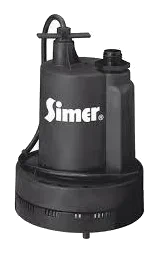
A small clean-water pump that runs off a garden hose connection, for transferring water where a trash pump is overkill.

Electric (corded)

Overview

A portable water pump moves clean or slightly dirty water through standard garden hose fittings. No suction hose assembly, no priming kit — connect and go.

It suits small jobs: draining a pool or tank, moving water between containers, emptying a flooded floor, feeding a sprinkler or wash-down line.

Flow is modest compared with a trash pump, and it will not pass solids. Grit and debris will wear or jam it.

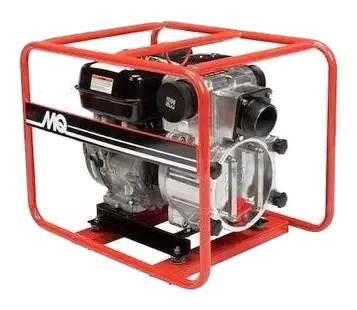
If the water contains mud, leaves or debris, use the trash pump instead.

Catalogue specifications

  • The Hose 2 Go has a constant flow of water without the use of a pump, battery or electronics. It allows you to suppress the dust when cutting, core drilling and grinding concrete.
  • Two-way easy carry positions.
  • 14 litre capacity and up to 30 minutes of constant flowing water

Best uses

  • Draining pools, tanks and ponds
  • Transferring clean water
  • Light flooding where the water is reasonably clean
  • Wash-down and sprinkler feeds

Not suited for

  • Muddy or debris-laden water — that is a trash pump job
  • Long runs or high lifts, where flow drops off sharply

Troubleshooting

Runs but no water comes out

Checks to try, in order

  1. Check the inlet is under water and not blocked.
  2. Check the discharge hose is not kinked and the outlet is open.
  3. Some units need priming — fill the housing before starting.

Reference draft — always follow the manufacturer’s manual.

Link to this fixDid this solve the problem?
Flow is much weaker than expected

Checks to try, in order

  1. Shorten the hose run and lower the discharge height if you can.
  2. Check the inlet screen for debris.
  3. Check the water is clean enough — grit clogs the impeller quickly.

Reference draft — always follow the manufacturer’s manual.

Link to this fixDid this solve the problem?
Tool won't switch onShared · Electric (corded)

Likely causes

  • Tripped GFCI or breaker
  • Lock-off button
  • Damaged cord
  • Dead outlet

Checks to try, in order

  1. Check the outlet works and reset any GFCI / RCD that has tripped.
  2. Release the lock-off button or safety switch before squeezing the trigger.
  3. Inspect the cord and extension lead for cuts, crushed sections or damaged plugs.
  4. If running from a generator, make sure it's running and its breaker hasn't tripped.

A damaged cord or plug means the tool is out of service. Tag it and return it — never tape a cord.

Reference draft — always follow the manufacturer’s manual.

Link to this fixDid this solve the problem?
Keeps tripping the breakerShared · Electric (corded)

Likely causes

  • Circuit overloaded
  • Undersized extension cord
  • Blunt accessory

Checks to try, in order

  1. Plug into a circuit with nothing else heavy running on it.
  2. Use a shorter, heavier extension cord. Long, thin cords starve the motor and trip breakers.
  3. Don't force the tool — a dull bit, blade or disc makes the motor draw more current.

Reference draft — always follow the manufacturer’s manual.

Link to this fixDid this solve the problem?
Overheating, burning smell or heavy sparkingShared · Electric (corded)

Checks to try, in order

  1. Stop and unplug the tool.
  2. Check the motor vents aren't blocked with dust.
  3. Let it cool, fit a sharp accessory and let the tool's weight do the work.

Heavy sparking from the vents or a burning smell that returns points to worn brushes or a failing motor — workshop only.

Reference draft — always follow the manufacturer’s manual.

Link to this fixDid this solve the problem?

Safety

  • Electric pumps near water need an RCD-protected supply.
  • Never handle the pump or cord while it is plugged in and in the water.

For electric (corded)

  • Inspect the cord and plug before every use. Use a GFCI/RCD outdoors or near water.
  • Unplug before changing blades, bits, discs or pads.
  • Wear eye protection, and a dust mask when cutting, grinding or sanding masonry.

Videos & links

Related equipment

All Pumps →

Always follow the manufacturer’s manual and site safety rules. Favourites and viewing history are stored on this device.